Table of Contents
Does 9H Hardness Mean Better Drop Protection for Tempered Glass Screen Protectors?
The Brief Response: No.
Many people believe that a screen protector with a 9H hardness rating is more resistant to drops. The 9H hardness rating merely measures scratch resistance. The capacity of tempered glass screen protectors to endure crashes, drops, and edge pressure is not immediately apparent.
This misperception is common in the screen protector business. Drop protection and scratch resistance are two separate performance criteria that are assessed differently and influenced by different material properties.
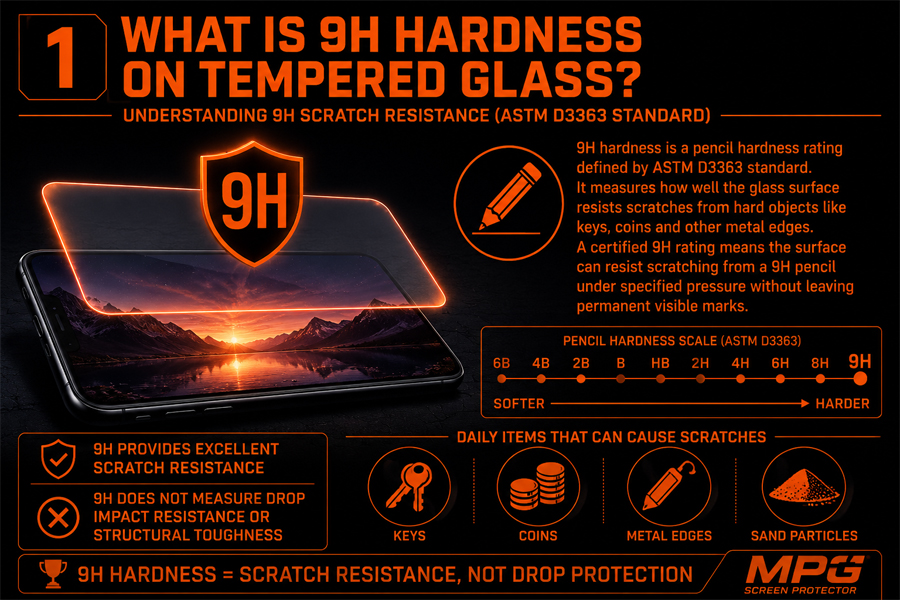
What Is the True Definition of 9H Hardness?
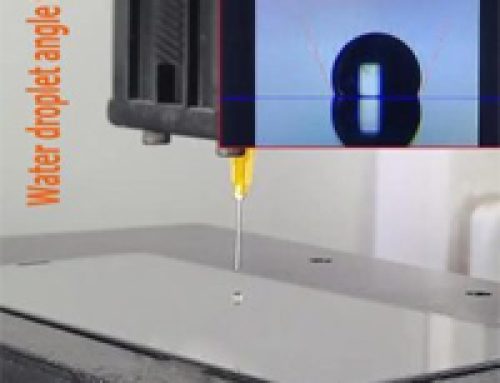
The ASTM D3363 pencil hardness test yielded a 9H rating. During testing, the glass surface is scratched with pencils of varied hardness and under regulated pressure.
A 9H tempered glass screen protector can survive scratches caused by ordinary things such as coins, keys, and other abrasive materials. It is one of the consumer screen protectors with the highest scratch resistance ratings.
However, only surface hardness is determined in this test. Impact resistance, hardness, and drop protection are not evaluated.
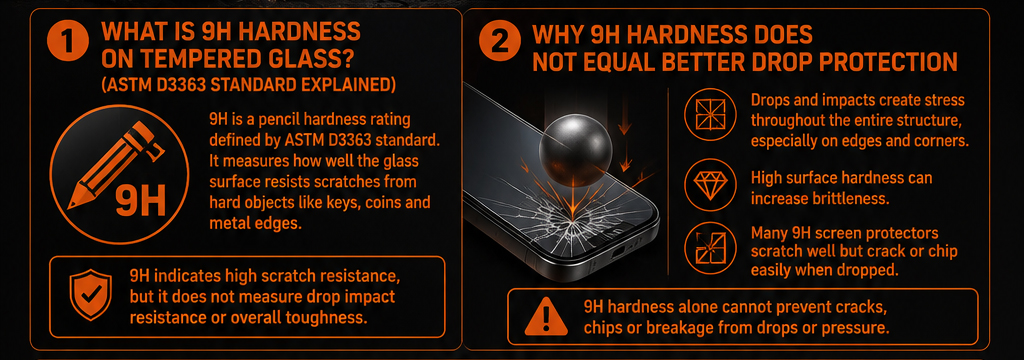
Why Doesn’t Drop Protection Improve with 9H
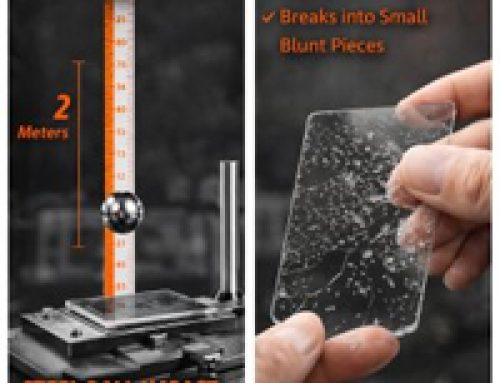
Drops and impacts stress the whole glass structure, especially the corners and edges. The surface hardness of the glass has no effect on its capacity to absorb these forces.
Glass may be both delicate and exceedingly hard. Because of their lack of structural strength, many common 9H screen protectors are scratch resistant but may crack or break when dropped.
As a result, drop protection capabilities should never be judged solely based on a 9H rating.
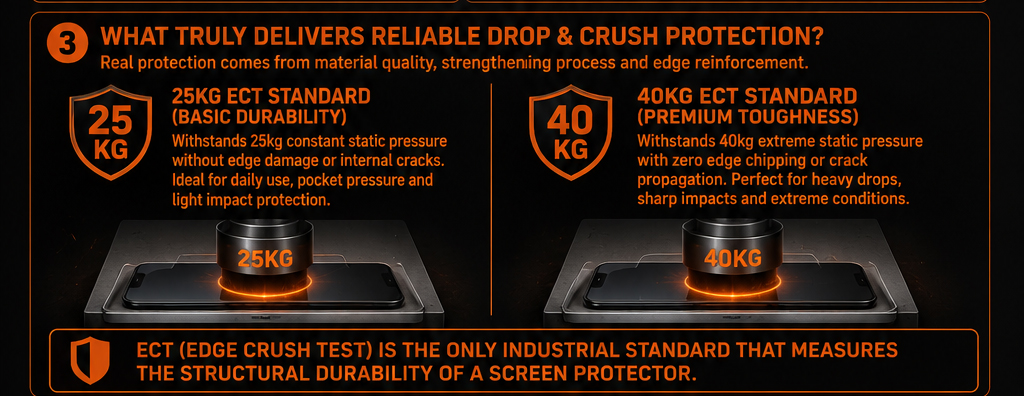
What is the most important factor in drop resistance?
The variables that define genuine drop protection are as follows:
Glass substrate quality
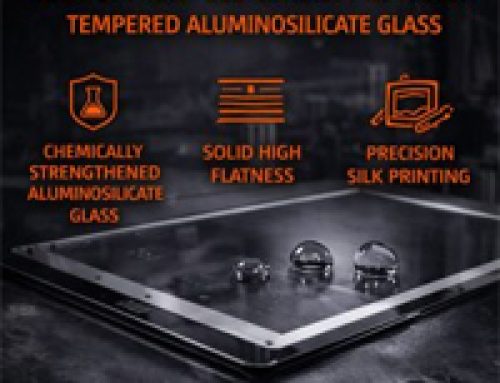
Chemical strengthening technology is used to reinforce edges and increase overall structural hardness.
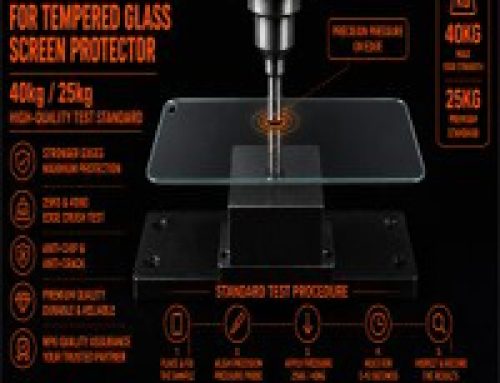
The Edge Crush Test (ECT) is one of the most dependable methods for measuring durability.
ECT Standard: 25 kg
Screen protectors that pass the 25 kg ECT test are resistant to breaking from normal pressure, pocket squeezing, and minor collisions.
40 kg ECT is normal
High-end screen protectors that have completed 40 kg ECT testing are more resistant to corner impacts, extreme pressure, and more demanding real-world scenarios.
Compared to a simple 9H hardness rating, these criteria provide a far more precise estimate of durability.
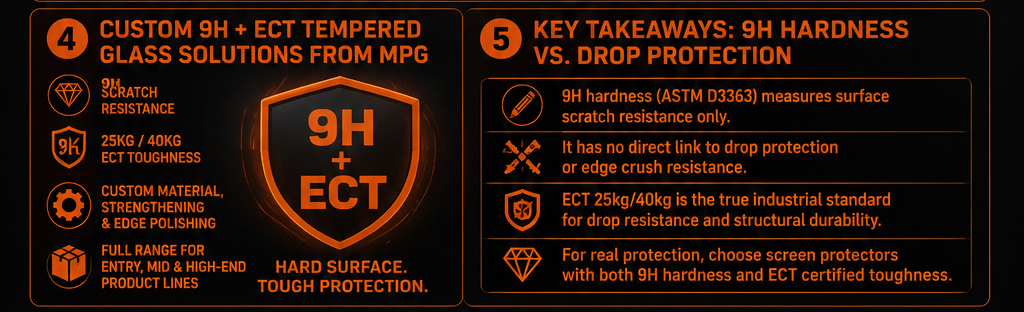
MPG Personalized 9H + ECT Solutions.
Numerous screen protectors claim to be 9H hard, however they do not provide any confirmed hardness testing. MPG uses an alternate technique, combining certified 25 kg or 40 kg ECT performance with 9H scratch resistance.
MPG creates screen protectors with high scratch resistance and dependable drop protection by optimizing glass materials, strengthening operations, and edge polishing techniques.
MPG provides customized tempered glass solutions that meet a variety of market demands, including entry-level, mid-range, and premium product lines.

Concluding remarks
Although it is important for scratch resistance, a 9H hardness rating does not provide enough drop protection.
The most significant consideration in real-world durability is structural toughness. ECT-tested hardness protects against collisions, edge damage, and pressure-related failures, whilst 9H protects against minor scratches.
The best tempered glass screen protectors provide an ideal balance of long-term durability and scratch resistance.

Also please visit our new product: